Eyüp Sultan Mosque is one of the first major mosque complexes built in Istanbul shortly after the city was conquered by the Ottomans in 1453. It holds great spiritual importance, both in Ottoman history and in the Muslim world.
Foundation and Original Construction — 1458
The Discovery of the Tomb
Abu Ayyub al-Ansari, also known as Eyüp Sultan, was a companion of the Prophet Muhammad (peace be upon him). When the Prophet migrated from Mecca to Medina, Abu Ayyub al-Ansari welcomed him into his home.
In the 7th century, Abu Ayyub al-Ansari took part in the Umayyad siege of Constantinople and died during the campaign. He was buried in this area, outside the city walls.
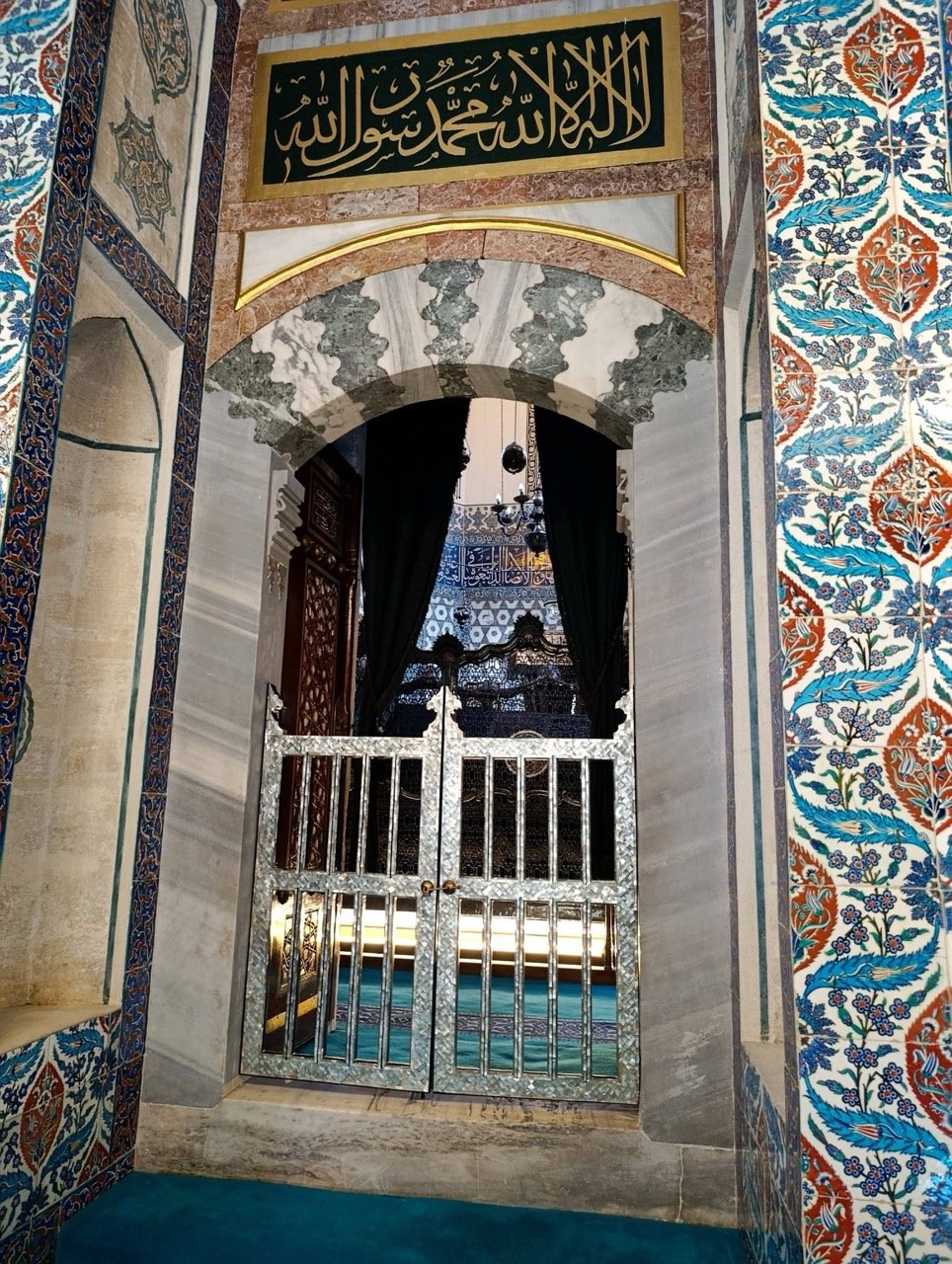
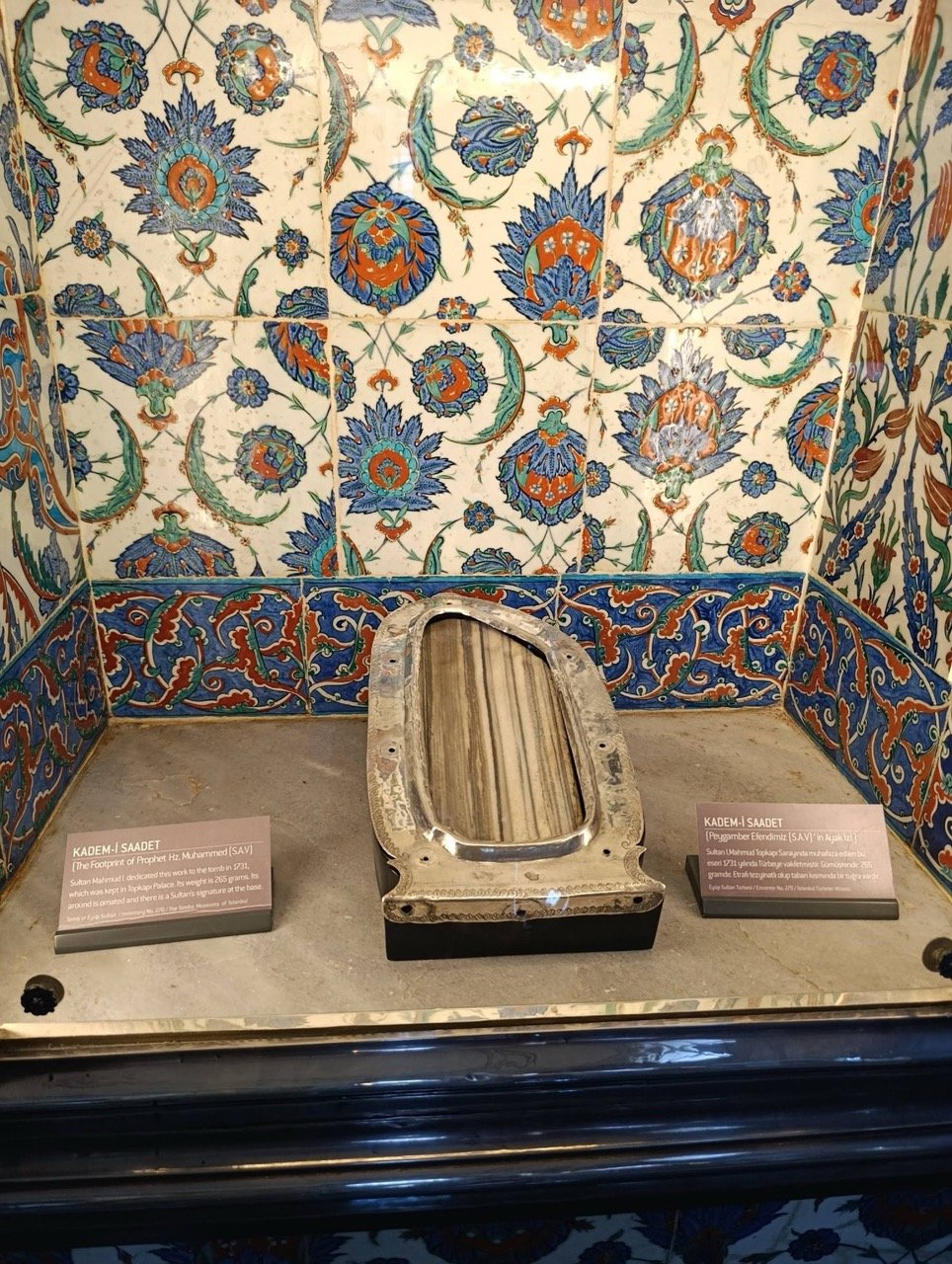
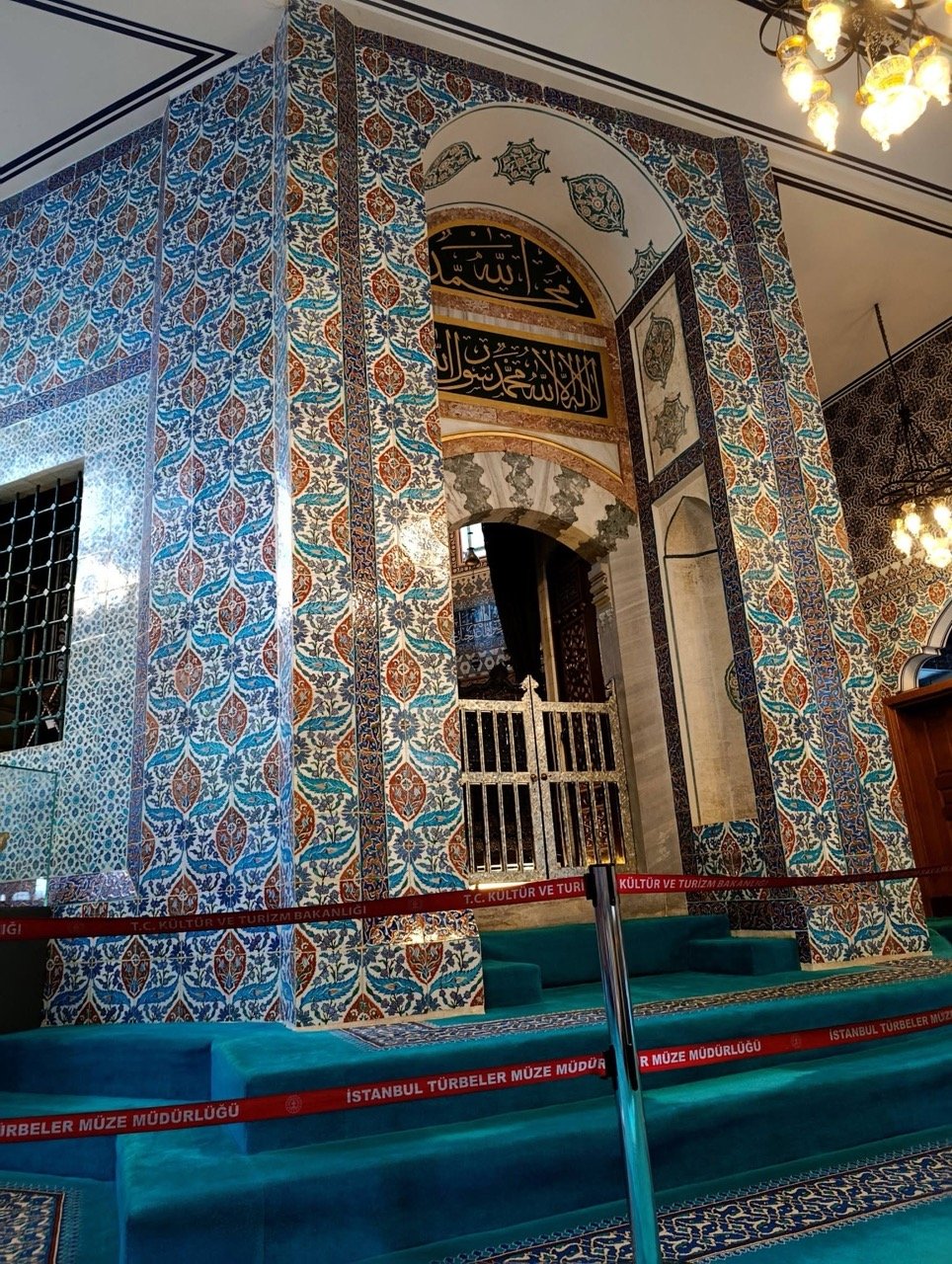
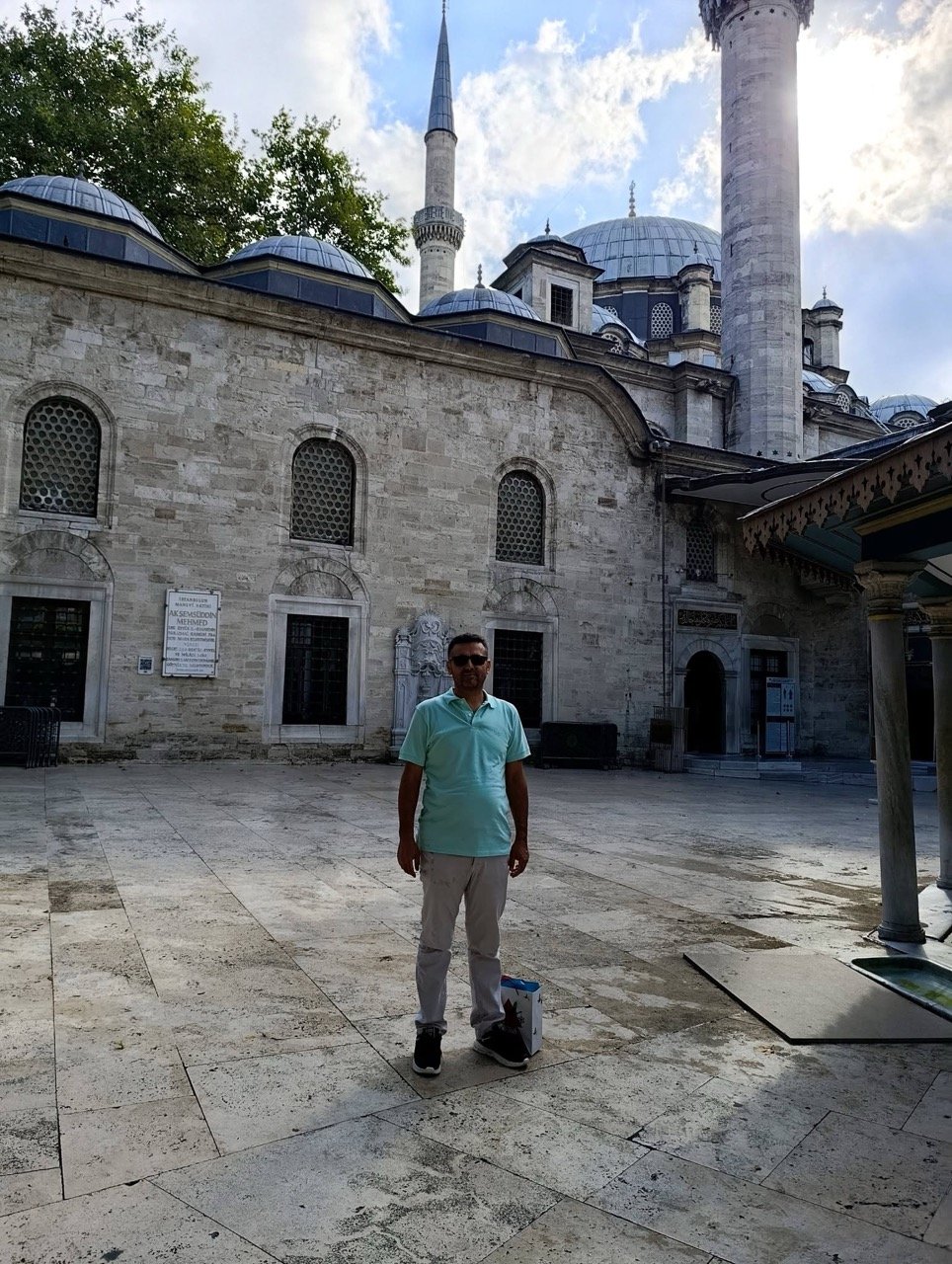
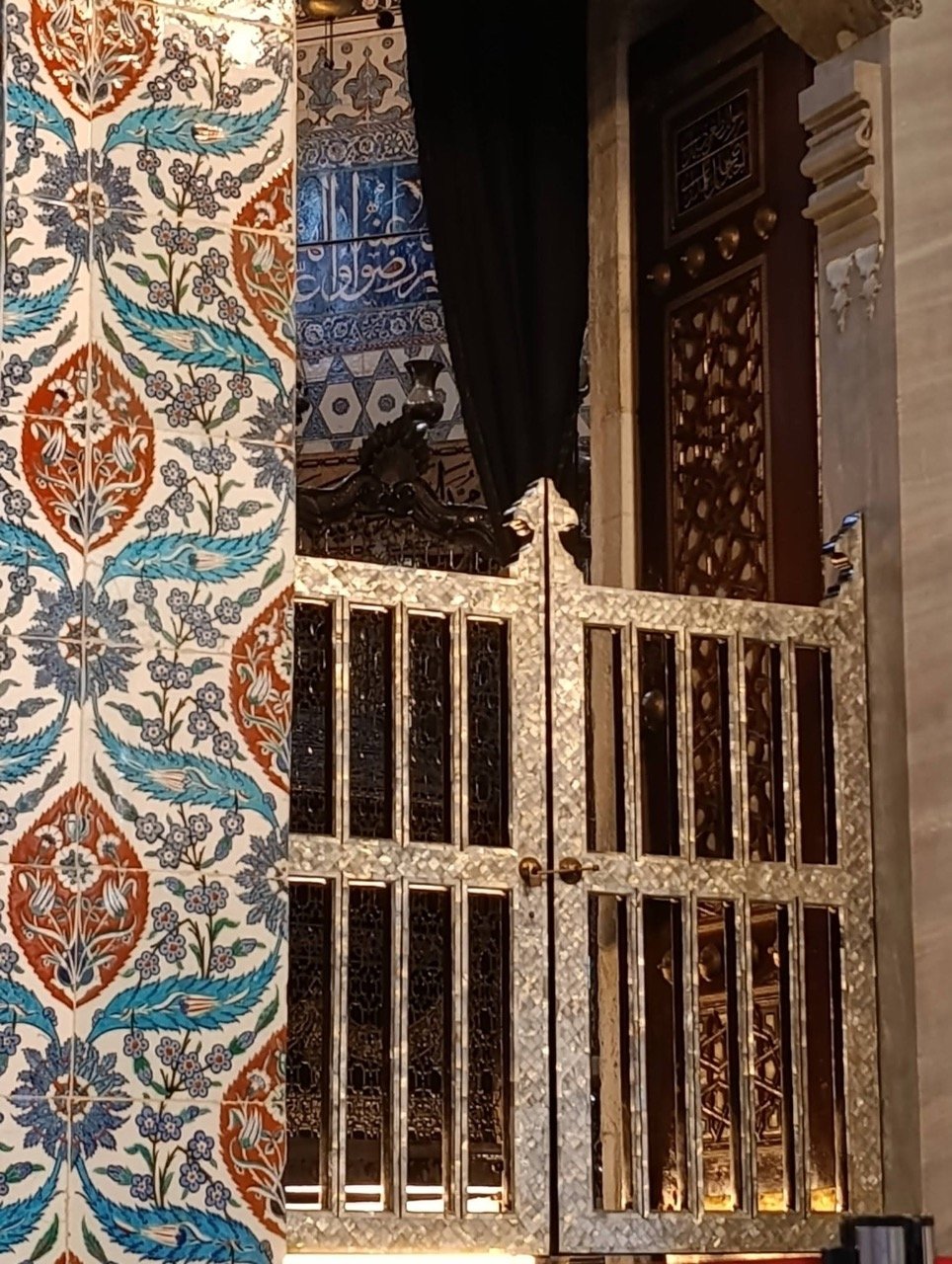
During the Ottoman conquest of Constantinople in 1453, Akşemseddin, the spiritual teacher of Sultan Mehmed II (Mehmed the Conqueror), is said to have discovered the location of his grave through a spiritual revelation.
In 1458, Sultan Mehmed II ordered the construction of a tomb and a mosque next to the grave. A religious school, soup kitchen, bathhouse, and fountains were later added, turning the area into a larger Ottoman religious and social complex known as a külliye.
Demolition and Reconstruction — 1798–1800
The original mosque built during the reign of Sultan Mehmed II was heavily damaged over the centuries by earthquakes—especially the major earthquakes of 1509 and 1766—as well as by fires.
In 1798, Sultan Selim III ordered the old mosque to be demolished down to its foundations and replaced with a completely new and more monumental structure.
The reconstruction was carried out under the supervision of Uzun Hüseyin Efendi and was completed in 1800. The mosque officially reopened for worship on October 24, 1800, when Sultan Selim III attended Friday prayers there.
The mosque we see today largely dates from this period.
Architectural Features
Dome
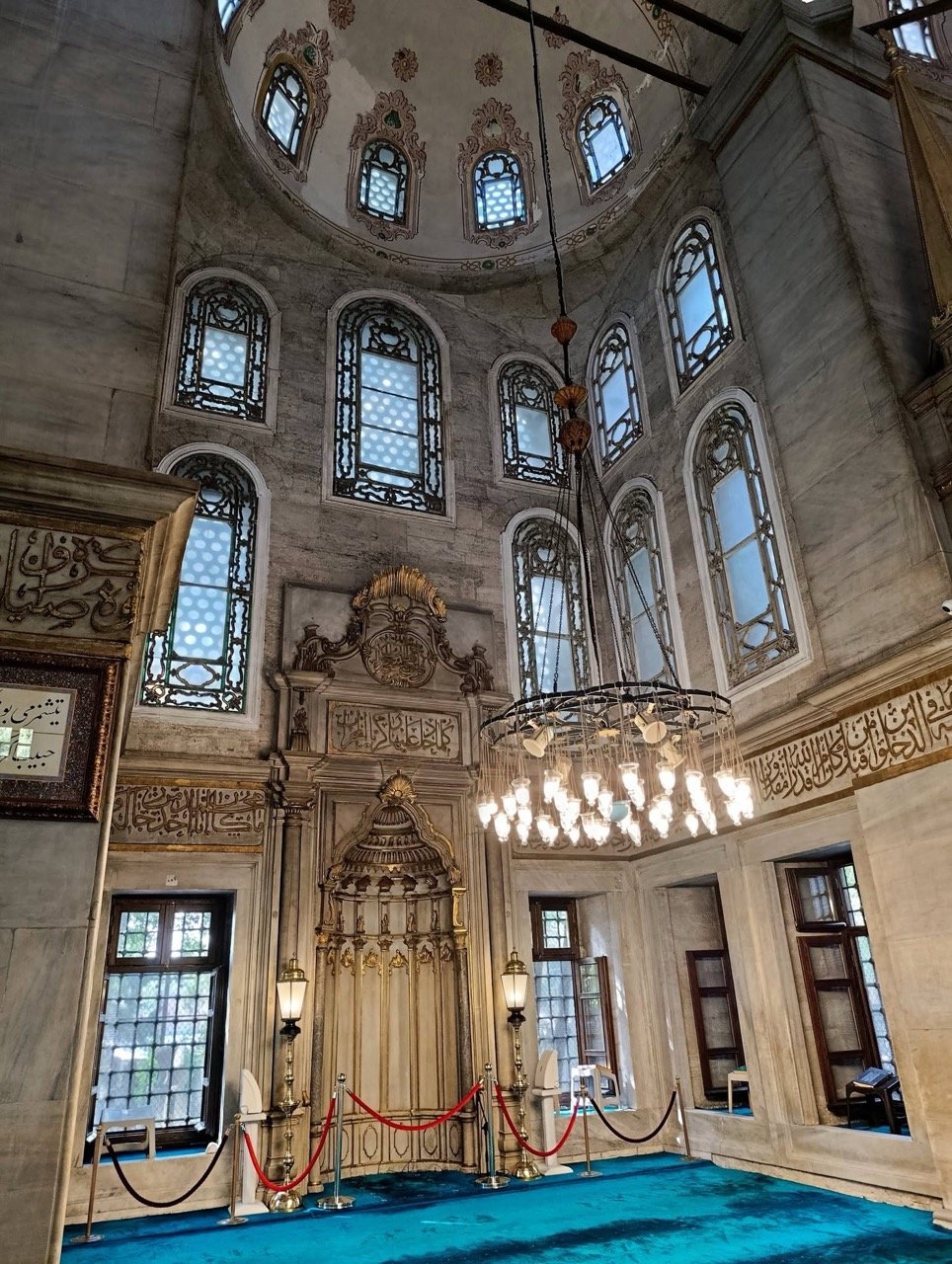
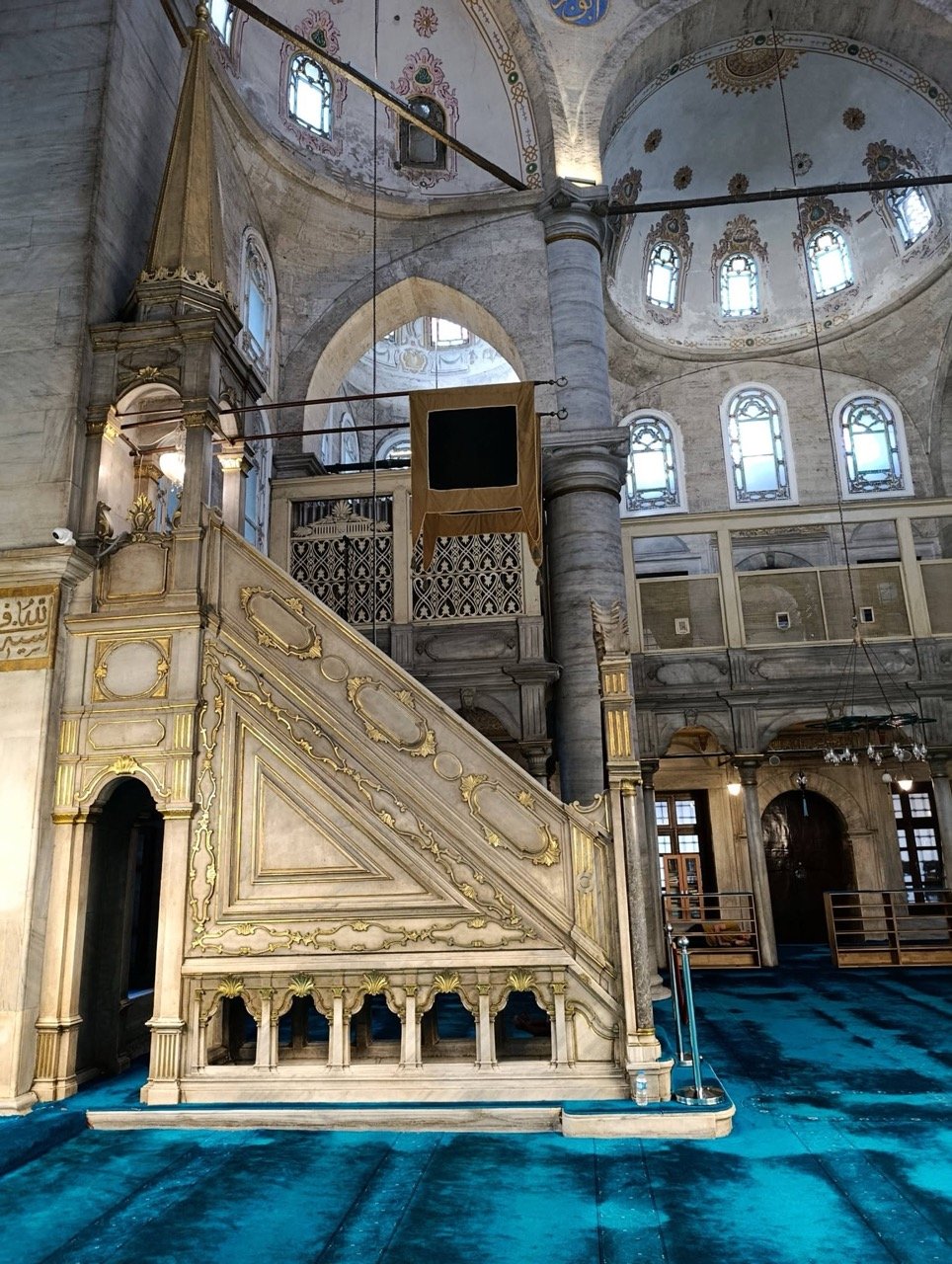
The mosque has an eight-pier structural layout. The main dome is supported by surrounding semi-domes, creating a spacious and balanced interior.
Minarets
The mosque has two minarets, each with two balconies (şerefe). The minarets were made taller during the reign of Sultan Ahmed III and were later repaired and rebuilt after suffering damage.
Inner Courtyard and Plane Trees
At the center of the courtyard is a fenced area known as the Çimen Sofa, shaded by historic plane trees. The fountains in this area were added by Sultan Selim III and are known as the Hacet Fountains.
The Ottoman Sultans and the Sword-Girding Ceremony
Eyüp Sultan Mosque also played an important role in Ottoman royal ceremonies.
After ascending to the throne, Ottoman sultans traditionally came to Eyüp Sultan for the Sword-Girding Ceremony, an important part of their accession ceremonies.
The sultans would travel from Topkapı Palace either by royal boat or overland. At Eyüp Sultan, the Şeyhülislam or a prominent Sufi religious leader would gird the new sultan with a sword associated with the Prophet Muhammad’s companions, such as the sword of Hazrat Umar, or with one of the ceremonial swords kept in the Imperial Treasury.
The sultans would also visit the tomb and pray here before leaving for military campaigns.
Research and Photographs:
BEKİR TİRYAKİ
August 2026